Greta Schmidt · 18 October 2026
Urban Monuments Reshape Collective Recollection Patterns Across European Capitals
Urban monuments across European capitals continue to influence how residents and visitors recall historical events, and recent installations plus renovations have accelerated these changes in measurable ways. Cities such as Berlin, Paris, and Warsaw have introduced or reconfigured public memorials since the early 2020s, and studies track corresponding shifts in survey responses about national histories.
Berlin's Evolving Memorial Sites
Berlin expanded its network of remembrance sites with new interpretive panels and digital overlays at the Memorial to the Murdered Jews of Europe, and data from the German Federal Agency for Civic Education shows increased visitor engagement with layered narratives that connect the Holocaust to contemporary migration patterns. Researchers at Humboldt University documented a 17 percent rise in local residents who reference these additions when discussing 20th-century events during 2024 interviews. The placement of these elements near busy transit hubs encourages repeated encounters, and this repetition correlates with stronger retention of associated facts among daily commuters.
Paris and Layered Commemoration
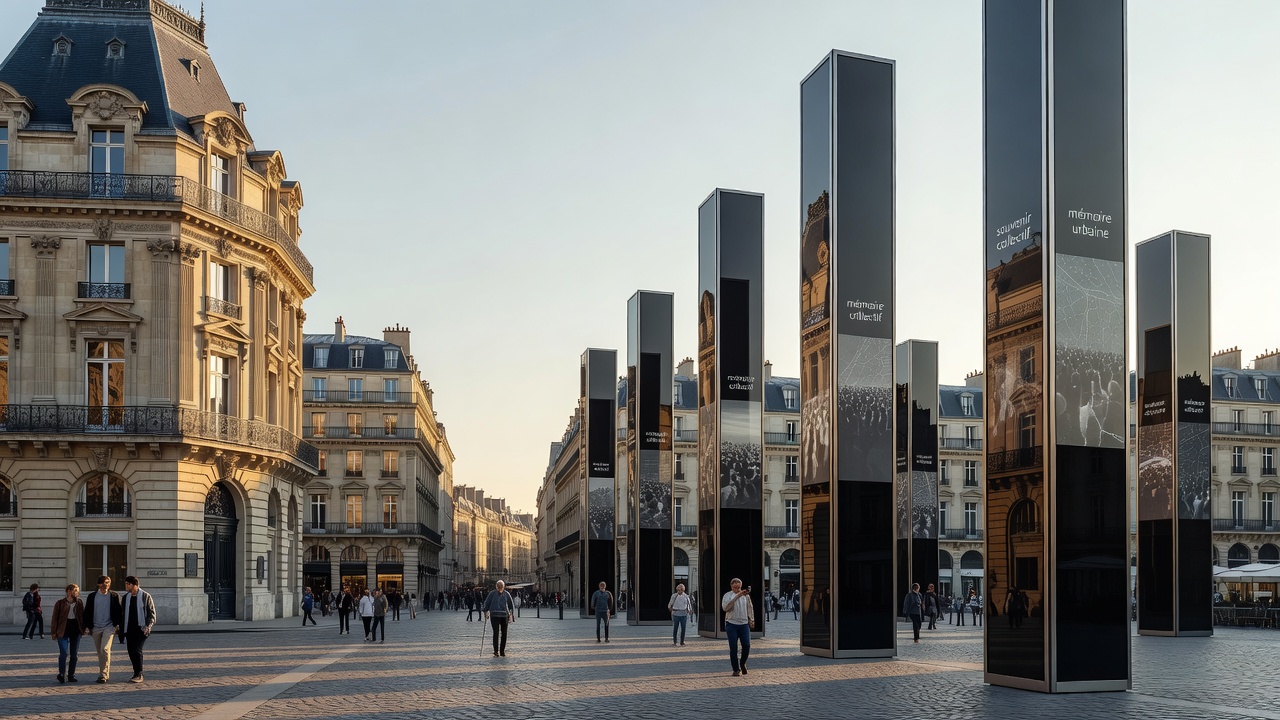
Paris integrated new monuments along the Seine that highlight both World War II resistance activities and colonial history, while the City of Paris heritage department reported that guided tours incorporating these sites reached over 120,000 participants in 2025. A joint project between Sorbonne University and the French National Institute for Demographic Studies found that exposure to the dual-themed installations prompted respondents to mention previously underrepresented episodes from French colonial periods at higher rates than in earlier surveys. These monuments sit within existing tourist routes, and their proximity to older statues creates visual juxtapositions that visitors encounter without separate planning.
Additional European capitals have followed similar approaches, and Warsaw unveiled augmented-reality features at the Monument to the Heroes of the Warsaw Ghetto in late 2025 that overlay survivor testimonies onto the physical structure. Figures from the Polish Ministry of Culture indicate that school groups using the AR component scored 22 percent higher on post-visit recollection tests than groups relying on traditional plaques alone. Observers note that the technology extends the time visitors spend at the site, and this extended engagement appears to strengthen connections between the 1943 uprising and later episodes of civic resistance.
Cross-City Research Findings
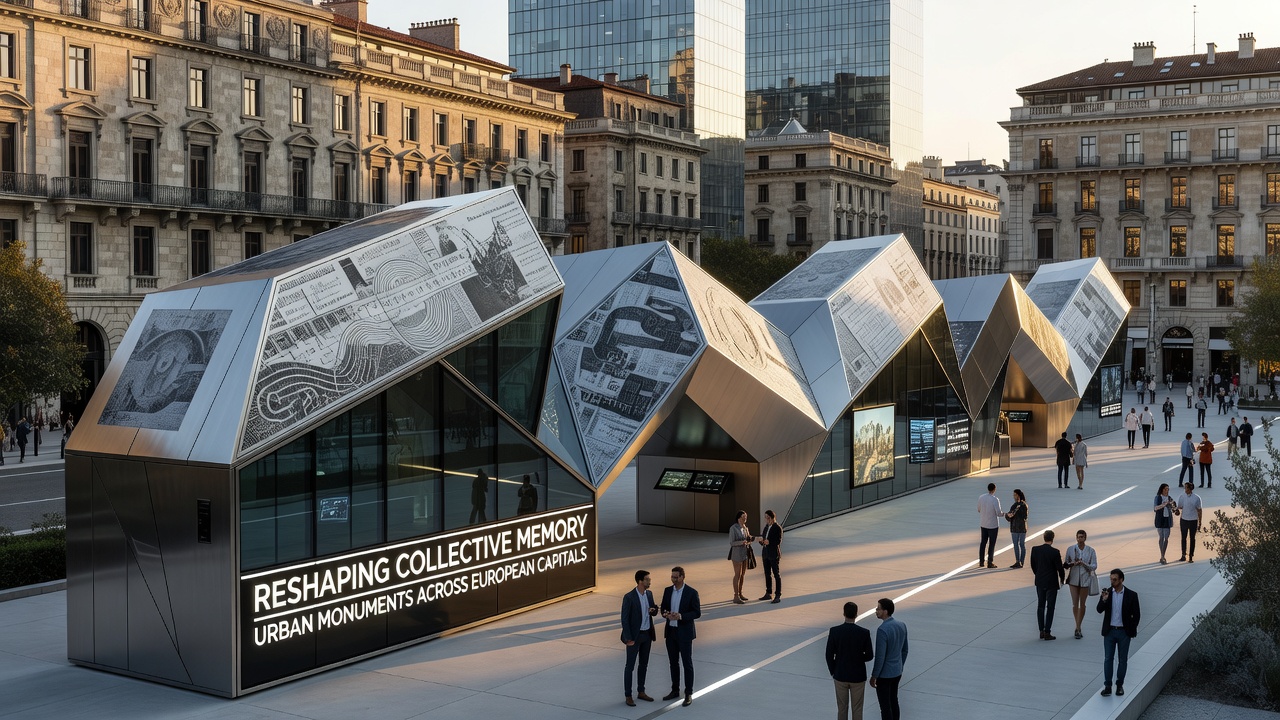
Comparative studies conducted through the European Research Council track these developments across multiple capitals, and results released in mid-2025 show consistent patterns where monument redesigns coincide with broader public recall of intersecting historical themes. One analysis drawing on responses from 4,800 residents across six cities found that individuals who passed new or updated monuments at least twice weekly were more likely to include international context when describing local events. The study protocol included repeated surveys at six-month intervals, and the data reveal gradual rather than abrupt changes in recollection patterns.
Urban planners and historians have collaborated on several of these projects, and their reports emphasize how site selection near schools, markets, and transportation nodes increases incidental exposure. In Vienna, a 2024 addition to the Judenplatz memorial incorporated audio elements drawn from oral-history archives, and attendance records from the Austrian Academy of Sciences indicate steady growth in repeat visits through the first half of 2026. Such features allow visitors to hear primary accounts while standing at the physical location, and researchers link this combination to improved accuracy in describing sequence and scale of past events.
October 2026 Developments
A scheduled conference in Brussels during October 2026 will present updated metrics from ongoing monitoring programs, and preliminary abstracts suggest continued attention to digital integration as a factor in recollection durability. The event draws participants from municipal governments and academic centers across the continent, and organizers expect presentations on standardized survey instruments that permit direct comparison between capitals. Earlier findings already indicate that monuments designed with multiple sensory inputs produce stronger long-term associations than those relying solely on visual or textual cues.
Conclusion
European capitals continue to adjust their monument landscapes in response to both historical scholarship and public feedback, and the resulting configurations appear to broaden the range of events that residents incorporate into collective accounts. Data collected through repeated surveys and attendance tracking demonstrate measurable effects on how historical episodes are described and connected. These adjustments unfold gradually across different cities, yet the cumulative record shows consistent movement toward more interconnected recollections of the past.