Greta Schmidt · 20 September 2026
The Influence of Automated Content Moderation on the Circulation of Political Essays from Minority Languages
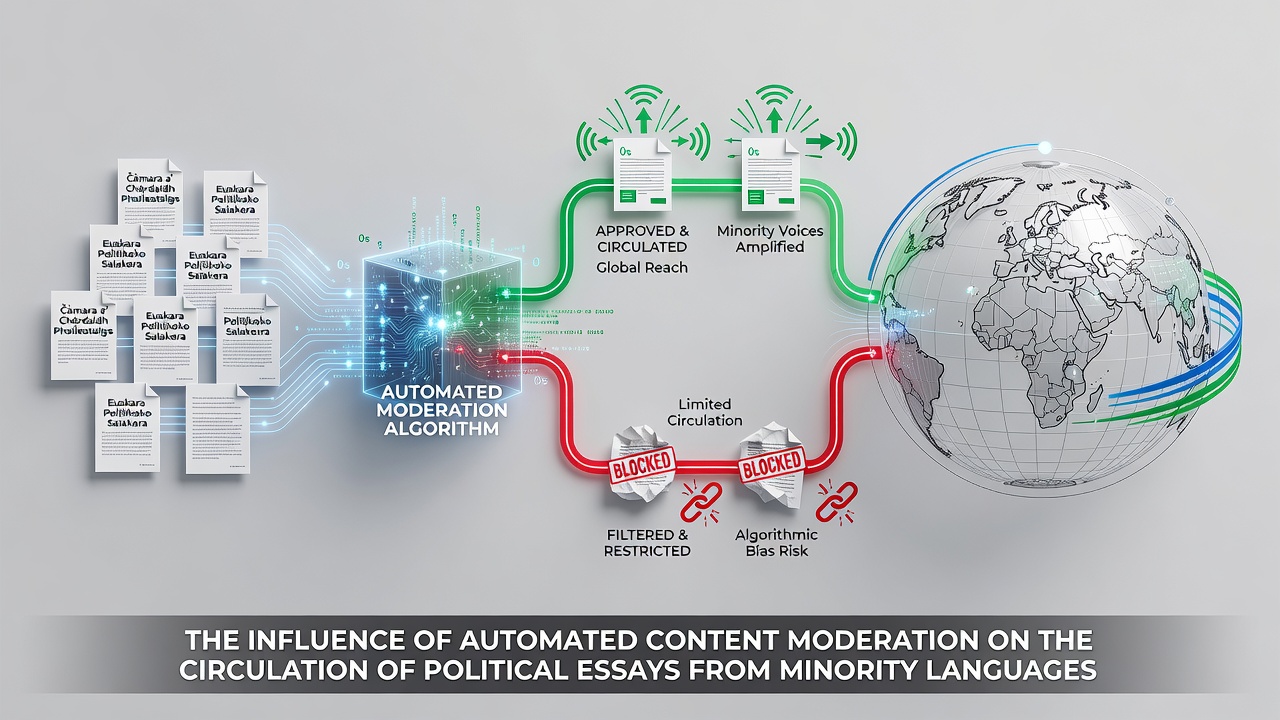
Automated content moderation systems shape how political essays written in minority languages reach audiences online, and these tools rely on machine learning models trained primarily on data from dominant languages such as English, Mandarin, and Spanish. Researchers have documented that training datasets often contain limited examples from languages like Basque, Quechua, or Kurdish, which leads algorithms to flag or restrict content based on incomplete pattern recognition rather than actual policy violations. Studies from academic institutions show that such gaps create uneven enforcement where essays discussing regional autonomy or historical grievances circulate less freely than comparable texts in major languages.
How Moderation Algorithms Process Minority Language Content
Content platforms deploy natural language processing models that scan text for keywords, sentiment patterns, and contextual signals associated with hate speech, misinformation, or incitement, yet these models encounter difficulties when applied to languages with smaller digital footprints. Data indicates that scripts using non-Latin characters or complex morphology increase error rates in classification, and this results in over-removal of legitimate political discourse. Observers note that moderation pipelines frequently route uncertain cases through automated queues first before any human review occurs, which delays or prevents circulation for essays produced in languages with fewer native speakers available for oversight roles.
Platforms adjust thresholds based on regional regulations, and the European Union's Digital Services Act requires transparency reports on enforcement actions that affect users across member states. One analysis of platform data revealed higher removal rates for posts in regional languages during election periods, even when the content aligned with local political norms rather than prohibited categories. What's interesting here is how the same essay translated into a majority language often passes moderation checks while its original version faces restrictions, which fragments access for communities that rely on primary sources in their own tongue.
Effects on Circulation and Readership Patterns
Political essays in minority languages experience reduced visibility when automated systems apply broad filters without sufficient linguistic calibration, and this pattern appears across multiple regions. Figures from research initiatives tracking online dissemination show that readership metrics drop sharply after automated flags trigger demotion in recommendation feeds, while shares within closed community groups remain relatively stable. Those who've examined platform analytics find that essays addressing land rights or cultural preservation in indigenous languages encounter repeated blocks compared with similar arguments presented in state languages.
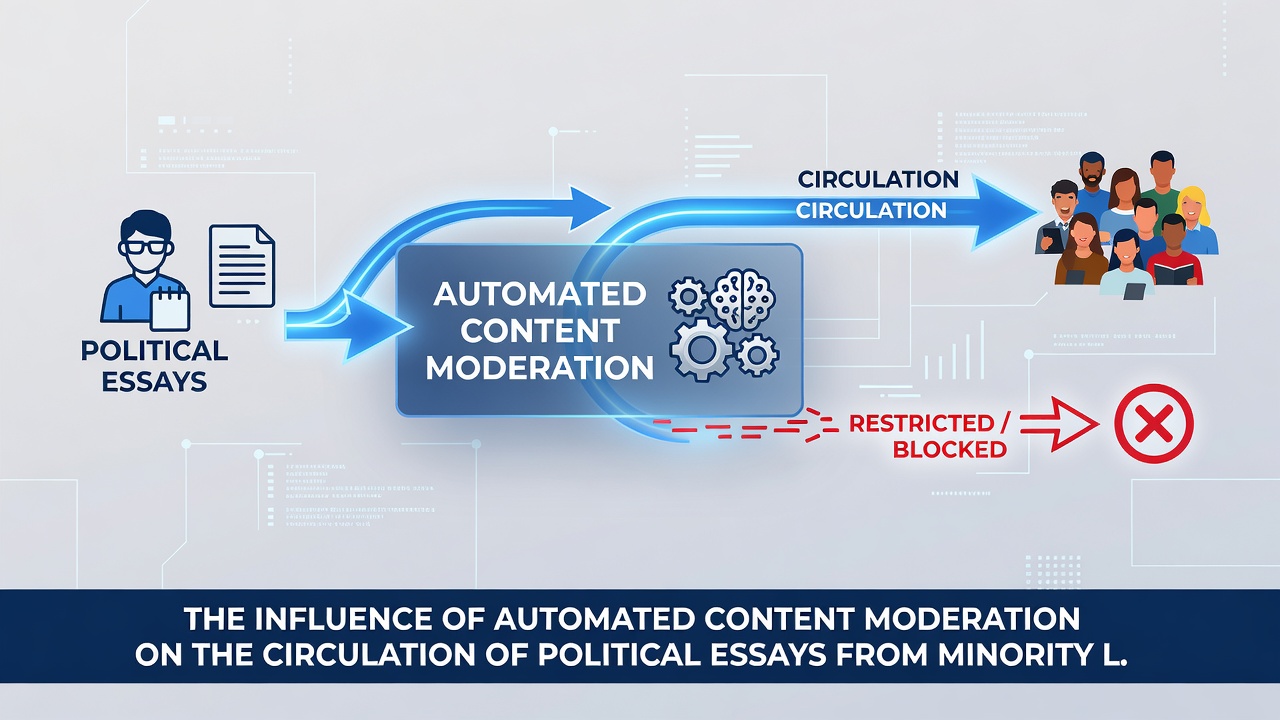
September 2026 marks the point where several platforms began publishing expanded datasets on language-specific enforcement following regulatory pressure from multiple jurisdictions, including updates from Canadian and Australian oversight bodies. These reports document that automated systems account for over 90 percent of initial content decisions, and minority language content receives fewer appeals because notification interfaces default to majority languages. People who publish in these languages report that their essays reach narrower audiences even when they comply with community standards, which limits cross-border dialogue on shared political topics.
Regional Variations in Enforcement Outcomes
Enforcement outcomes differ by geography because platforms calibrate models against local legal frameworks and available training data, and this creates distinct challenges for political essays from minority languages in Asia, Africa, and the Americas. In Southeast Asia, for instance, automated tools struggle with tonal languages and historical political terminology that carries layered meanings, leading to inconsistent application across borders. European cases show that languages recognized under the European Charter for Regional or Minority Languages still face higher scrutiny when essays touch on sovereignty debates, according to aggregated platform transparency data.
UNESCO documentation on linguistic diversity highlights how reduced circulation affects knowledge preservation, since political essays often serve as vehicles for documenting community perspectives that oral traditions alone cannot capture fully. Researchers discovered that when essays get restricted, subsequent translations into majority languages lose nuance, which further distances original authors from international readership. The reality is that smaller language communities maintain parallel distribution networks through direct messaging and offline sharing to circumvent these barriers, although such methods limit broader engagement.
Technical and Policy Responses Under Development
Technical teams are experimenting with multilingual model improvements that incorporate more balanced datasets, and partnerships with linguistic experts from affected communities have produced incremental gains in classification accuracy. Policy discussions in 2026 focus on requiring platforms to disclose language-specific performance metrics, which would allow external audits to identify persistent disparities. Evidence suggests that when platforms invest in human reviewers fluent in minority languages, circulation rates for compliant political content improve measurably, though scaling such efforts remains resource-intensive.
Conclusion
Automated content moderation continues to influence the reach of political essays from minority languages through systemic biases in training data and enforcement priorities, and ongoing regulatory developments around September 2026 point toward greater scrutiny of these effects. Data from multiple sources shows that circulation patterns reflect both technical limitations and policy choices rather than uniform application of standards across all languages. Those studying digital access note that addressing these disparities requires sustained investment in linguistic diversity within moderation systems adn transparent reporting on outcomes by region and language group.